ZApp
ZApp Super App
Project Overview
Zapp is a multi-application digital ecosystem designed to connect customers, agents, and merchants through dedicated applications tailored to the needs of each user group.
Rather than building a single application for every type of user, the ecosystem consists of three major products:
- Zapp Super App – the customer-facing application.
- Zapp Agent – the application used by agents to provide financial services to customers.
- Zapp Merchant – the application used by businesses and merchants to manage payments and other business operations.
I worked across all three applications, giving me experience building interconnected mobile products that serve different users while operating within the same digital ecosystem.
Zapp Super App
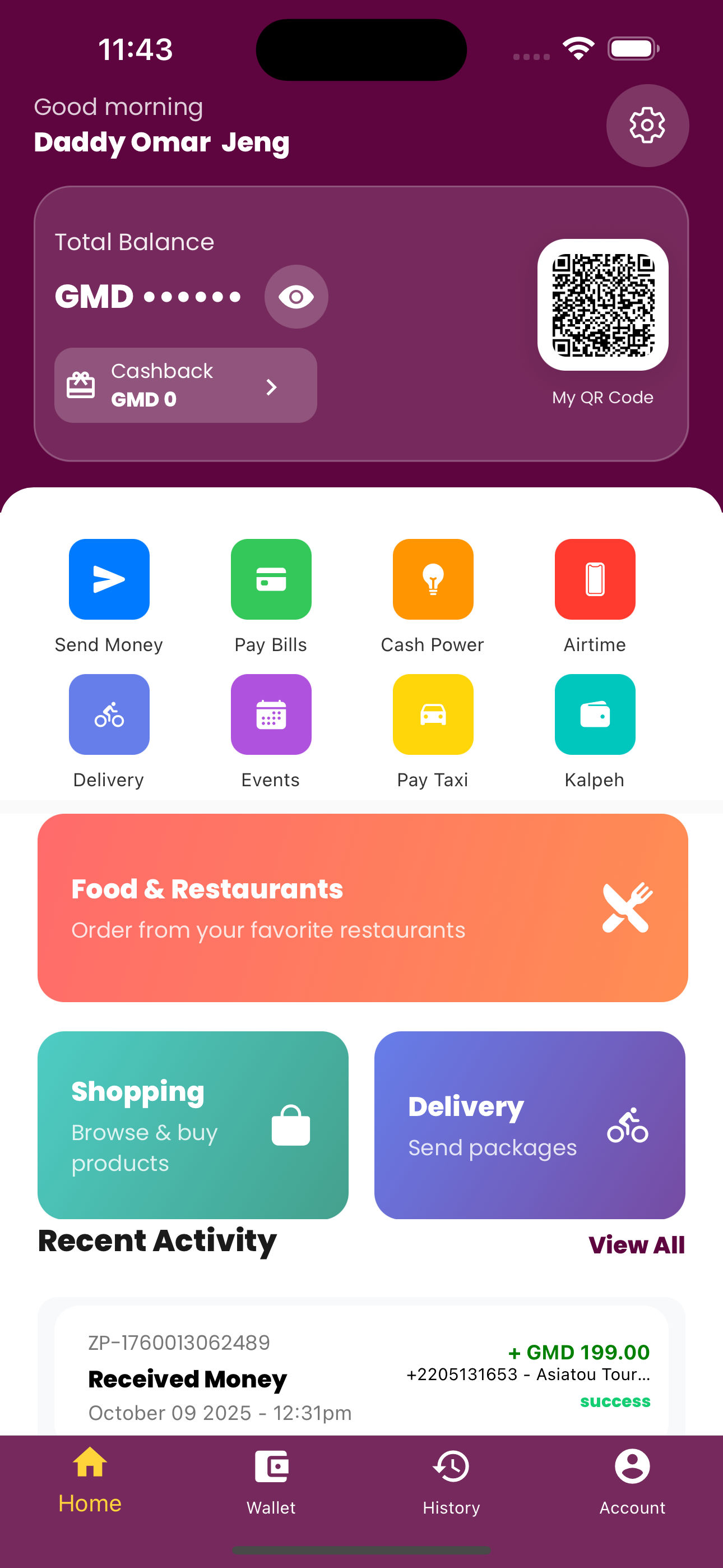
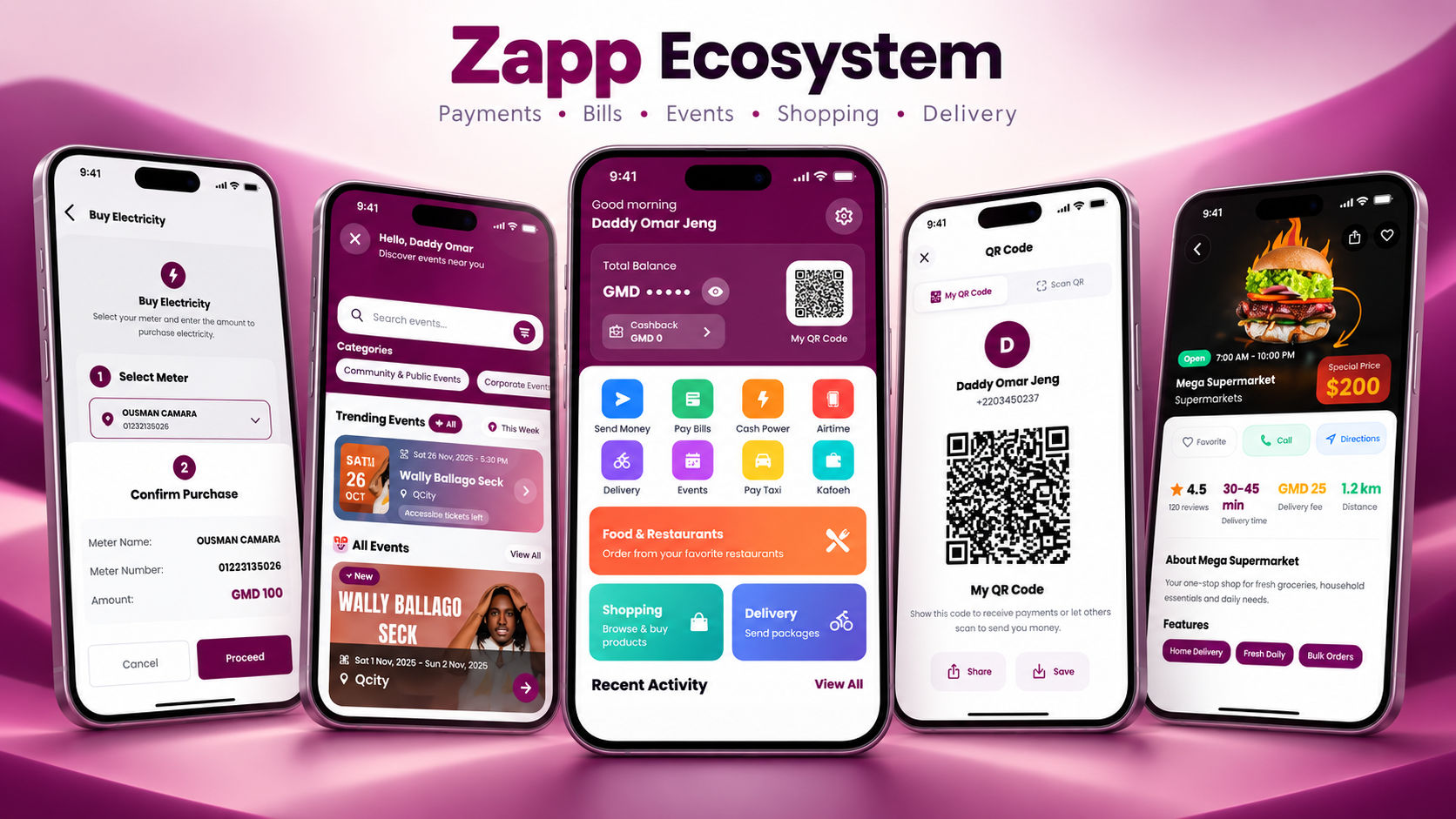
The Zapp Super App is the customer-facing application and serves as the main entry point into the Zapp ecosystem.
It combines financial services with commerce and other everyday digital services, allowing customers to perform multiple activities from a single application.
Money Transfers
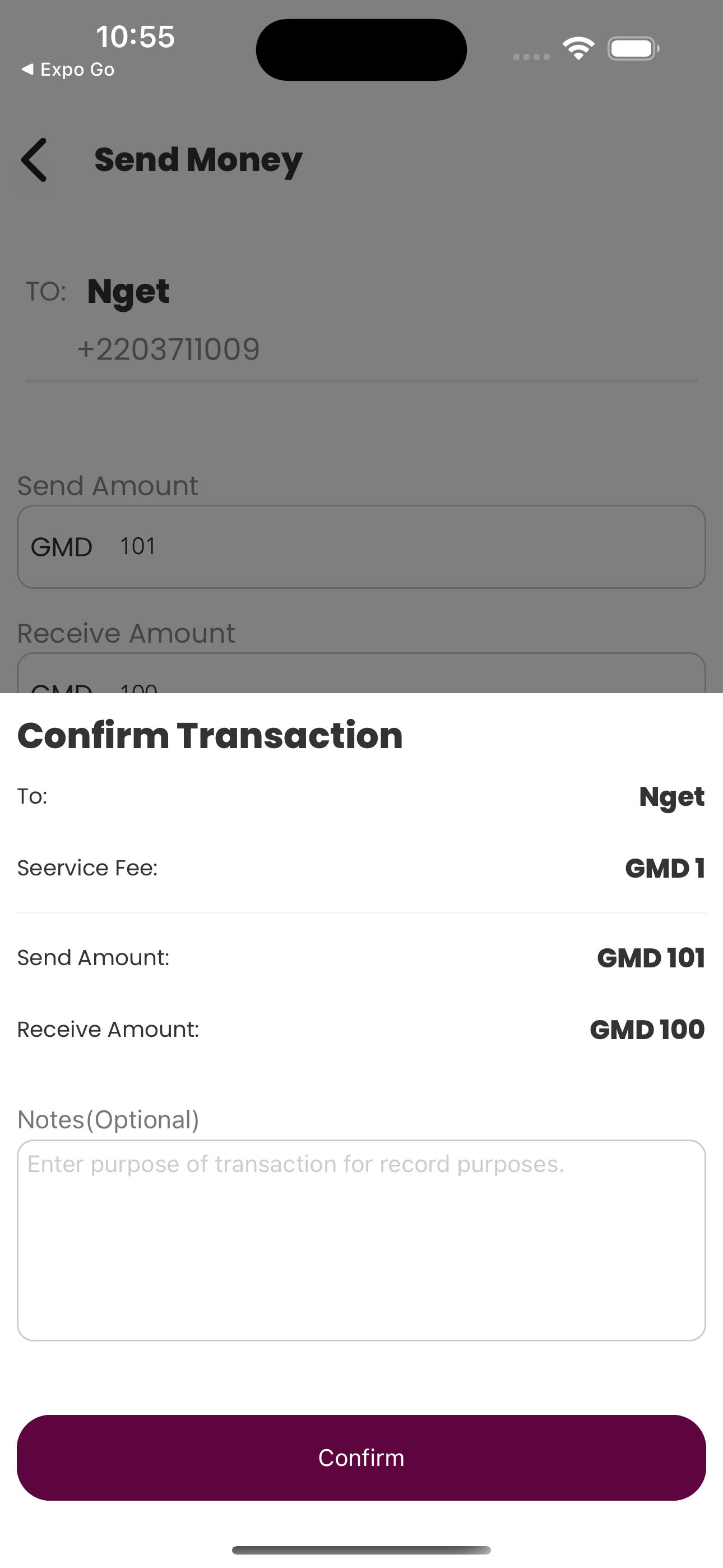
Customers can perform different types of money transfers, including:
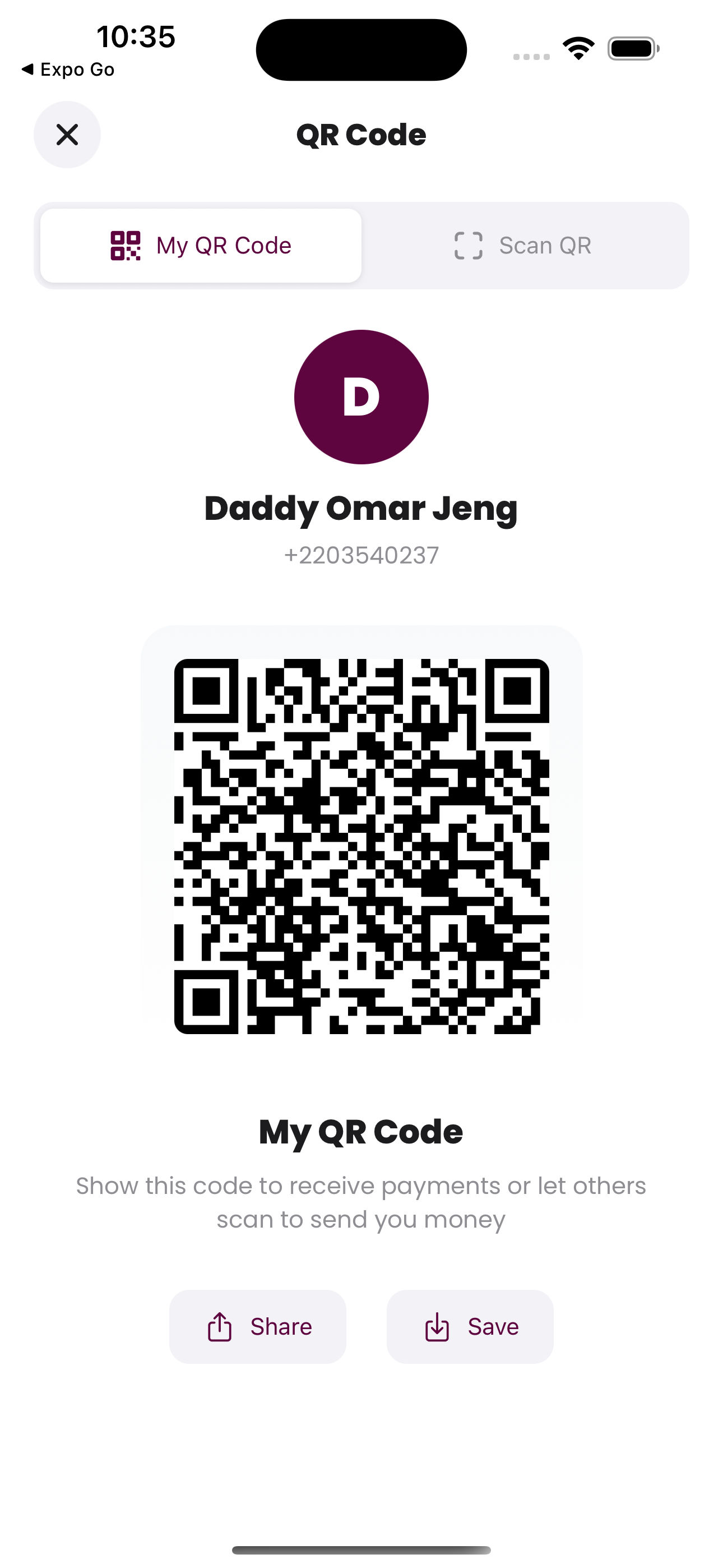
- Wallet-to-wallet transfers.
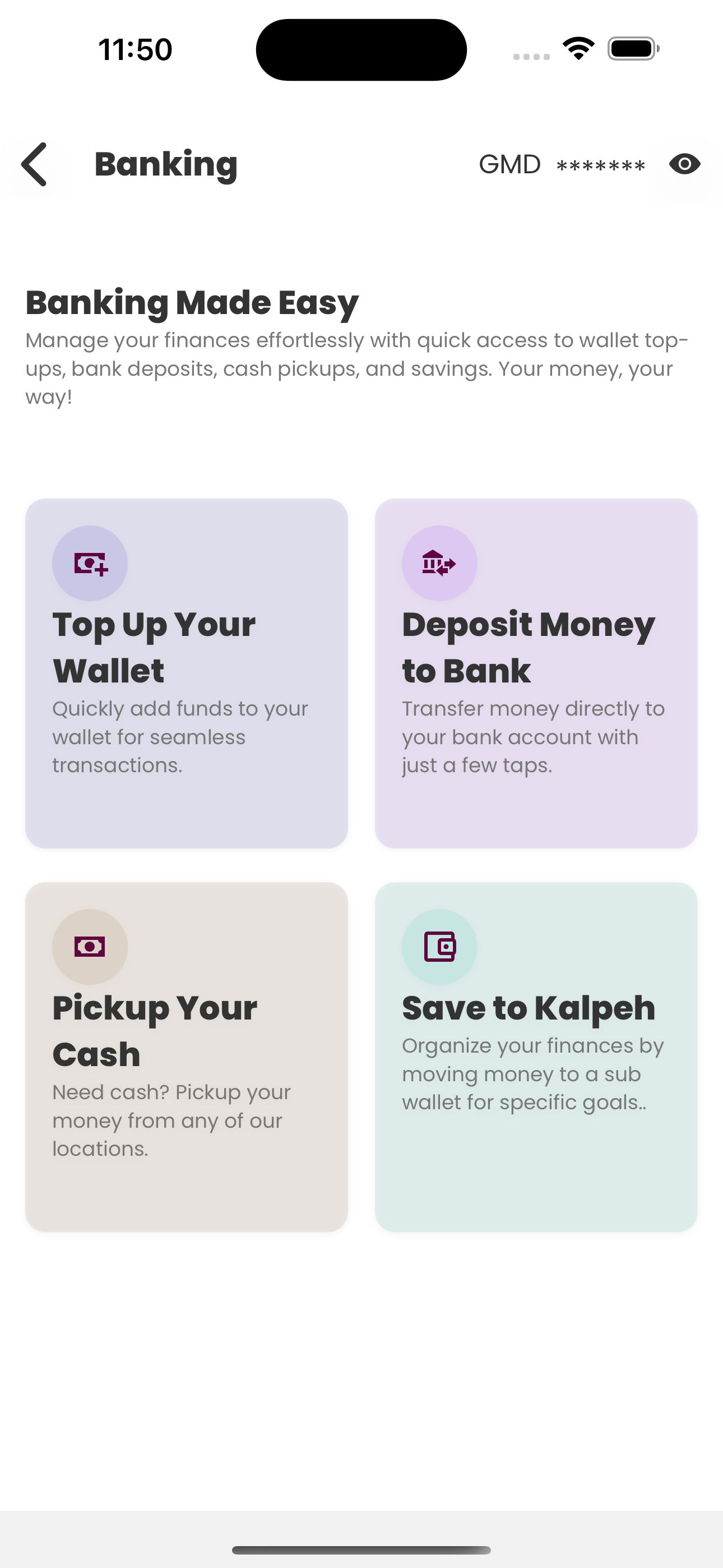
- Wallet-to-bank transfers.
- Bank-to-wallet transactions.
These services allow customers to move money between supported financial channels directly from the application.
Digital Wallet
The Zapp wallet provides customers with access to their funds and serves as a central part of many services available within the application.
Customers can use their wallet when performing supported payments and transactions across the Zapp ecosystem.
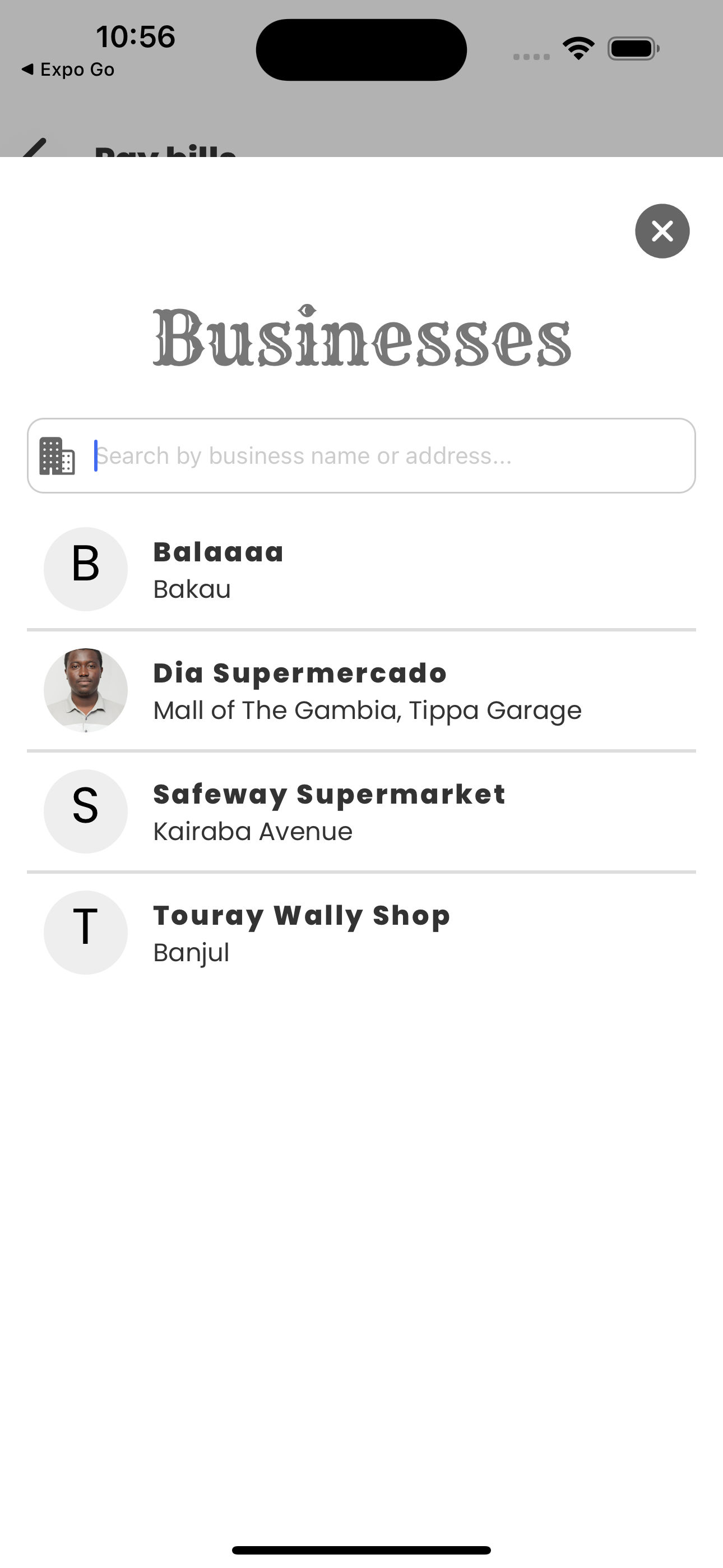
Bill and Utility Payments
The Super App allows customers to pay for supported services such as:
- Electricity.
- Airtime.
- Pharmacy
- Supermarket
- and Others
This gives customers a convenient way to handle recurring payments without having to visit separate service providers.
Shopping
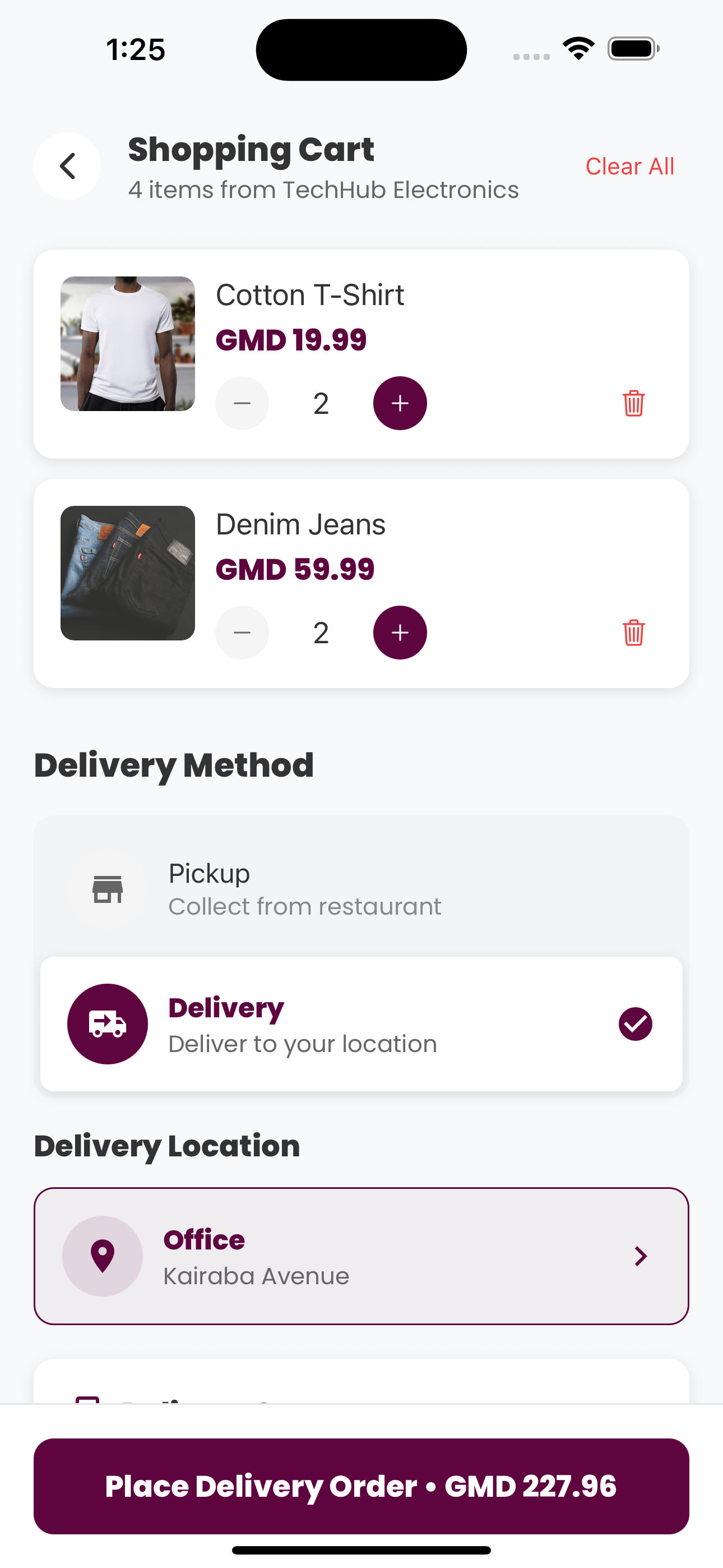
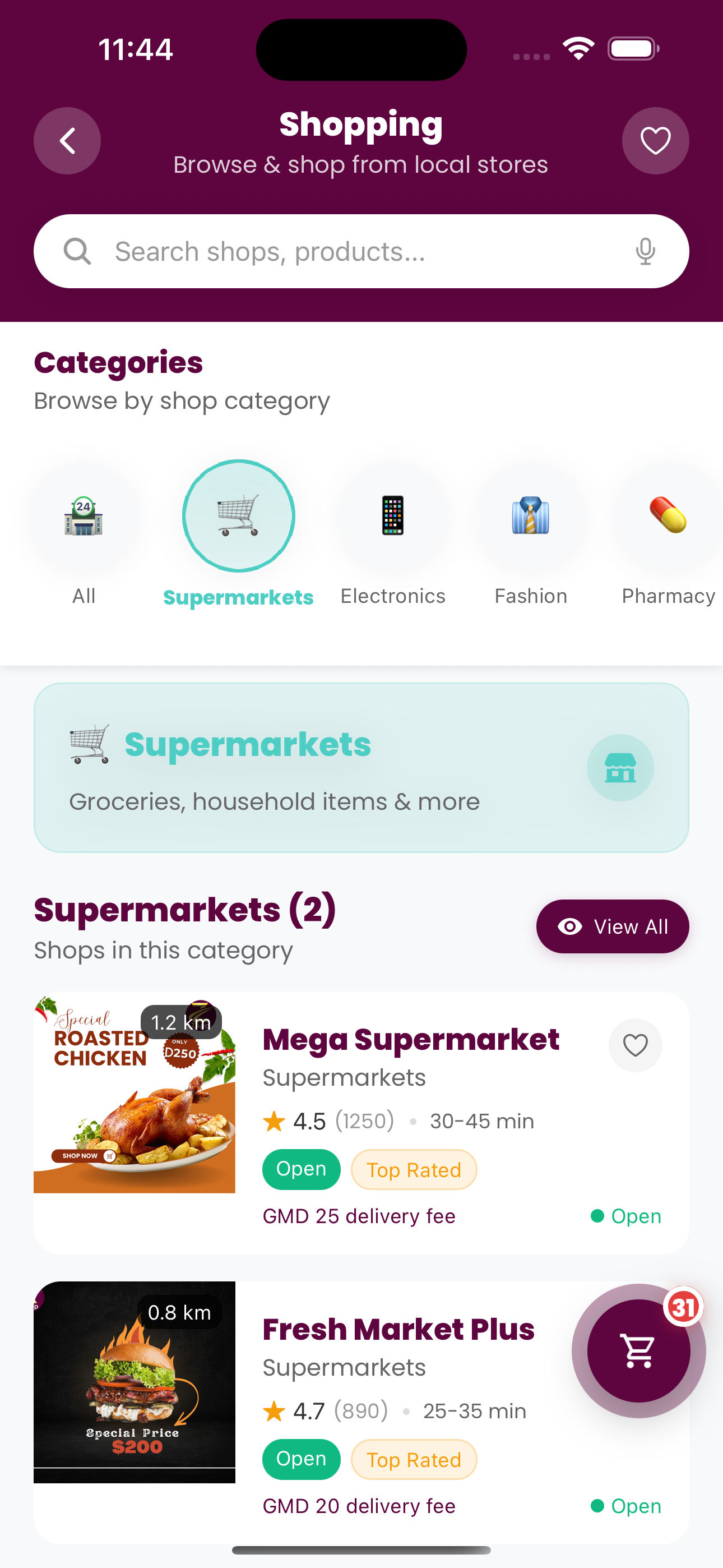
Zapp includes local shopping functionality that allows customers to discover products and purchase from businesses available within the ecosystem.
This also creates a connection between customers using the Super App and businesses operating through the Zapp Merchant platform.
Food Ordering
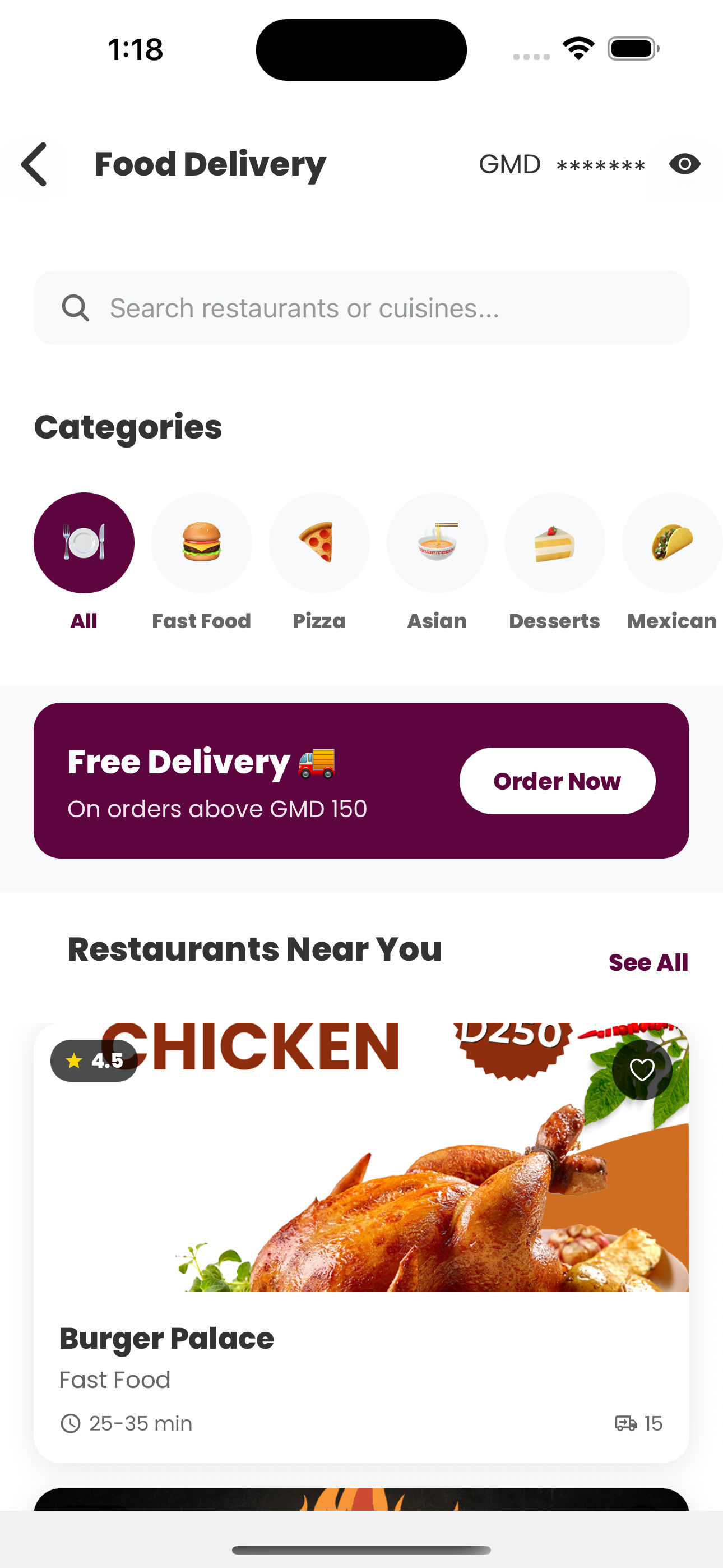
Customers can browse available food options and place orders directly through the application.
This expands the platform beyond financial services into everyday consumer services.
Delivery Services
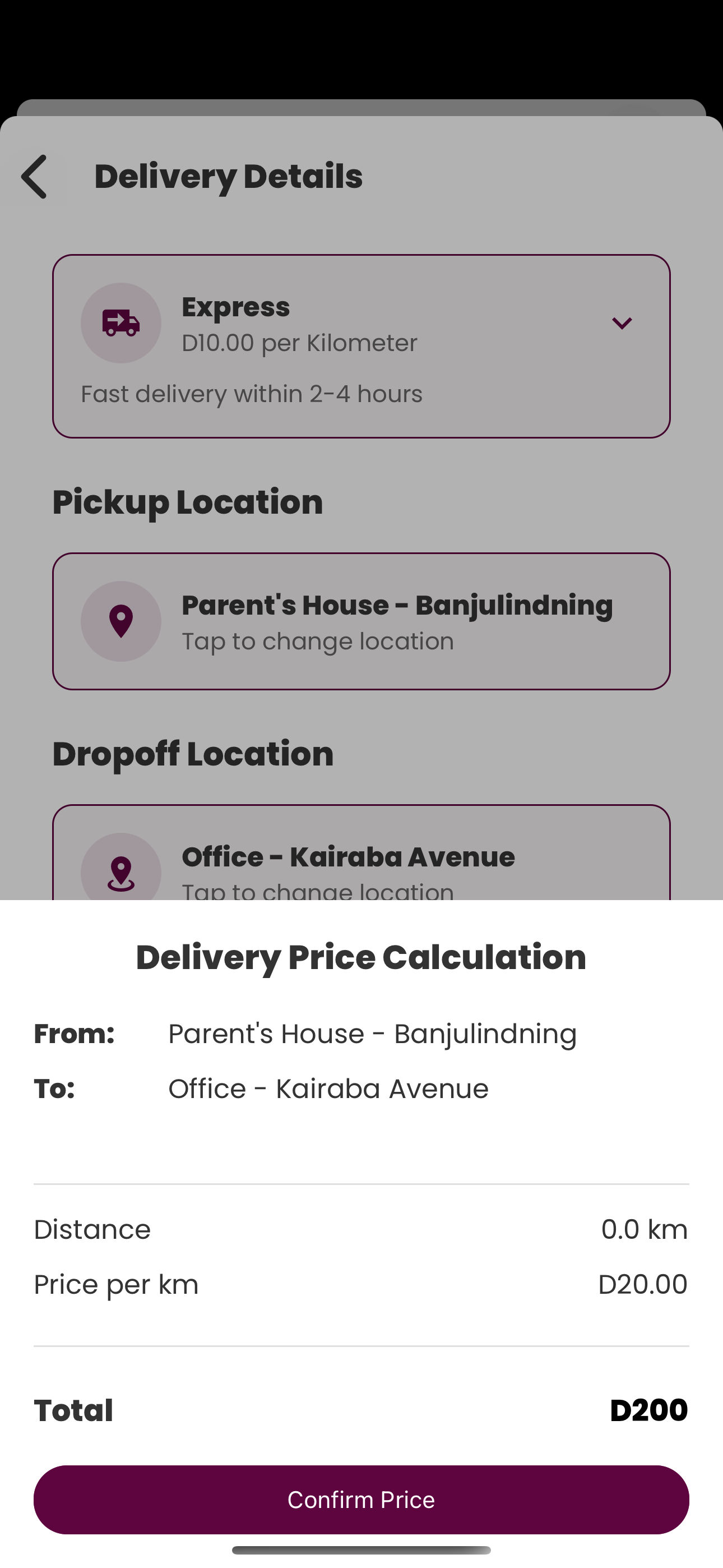
Delivery functionality is integrated into the Super App, allowing customers to access delivery-related services from within the same application.
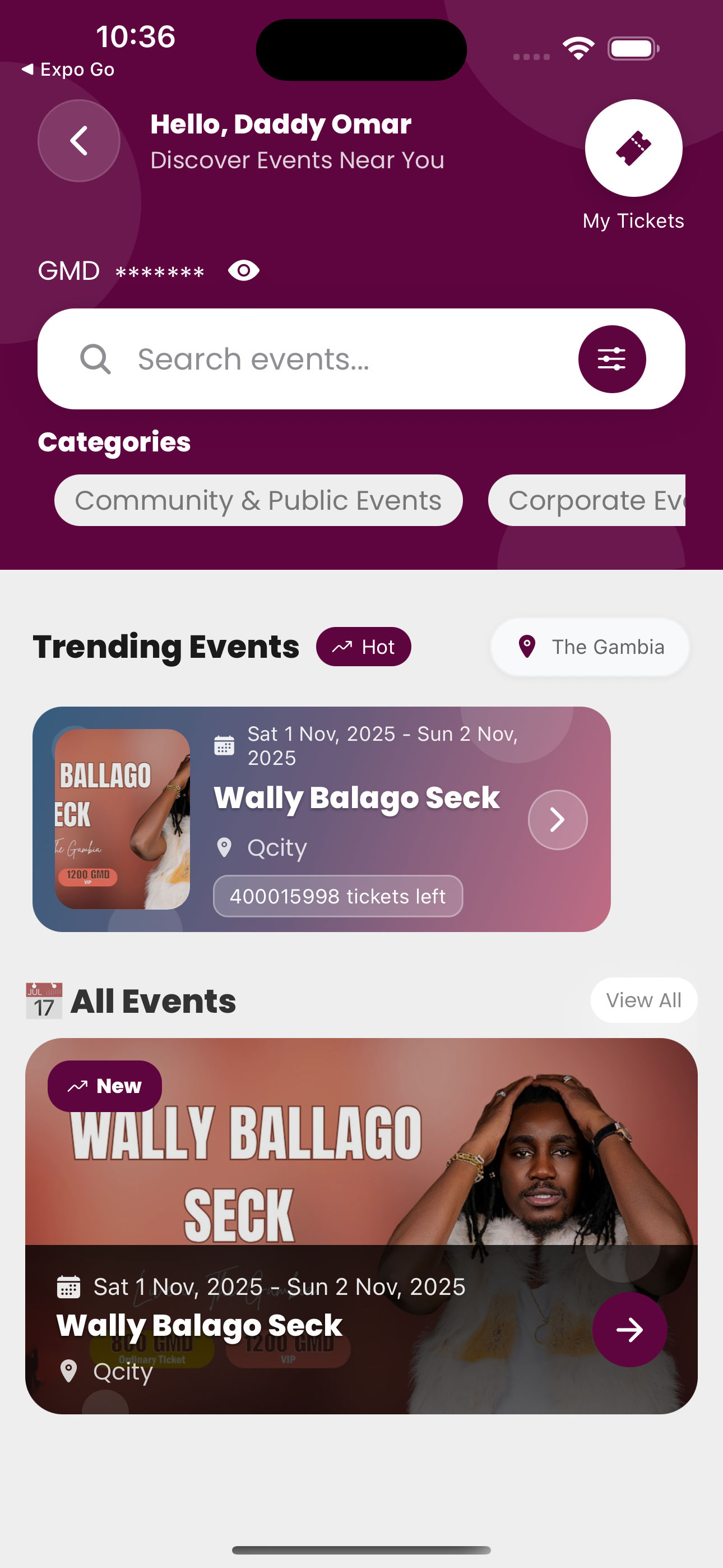
Event Bookings
Customers can discover and book supported events directly through Zapp.
The platform therefore provides businesses and event organizers with another way of reaching customers within the ecosystem.
Apartment Bookings
The Super App also supports apartment booking, enabling customers to browse and access accommodation-related services through Zapp.
Loyalty and Offers
Customers can access loyalty-related benefits, coupons, promotions, and offers available through participating businesses and services.
Zapp Agent App
The Zapp Agent App is designed for agents operating within the Zapp ecosystem.
While the Super App focuses on customers, the Agent App provides agents with the tools required to assist customers with supported financial services.
Customer Deposits
Agents can process deposits for customers, allowing customers to fund their accounts or wallets through an authorized Zapp agent.
Customer Withdrawals
Customers can also access cash-out services through agents.
The Agent App provides the workflow required for the agent to process supported withdrawal transactions.
Agent-Based Financial Services
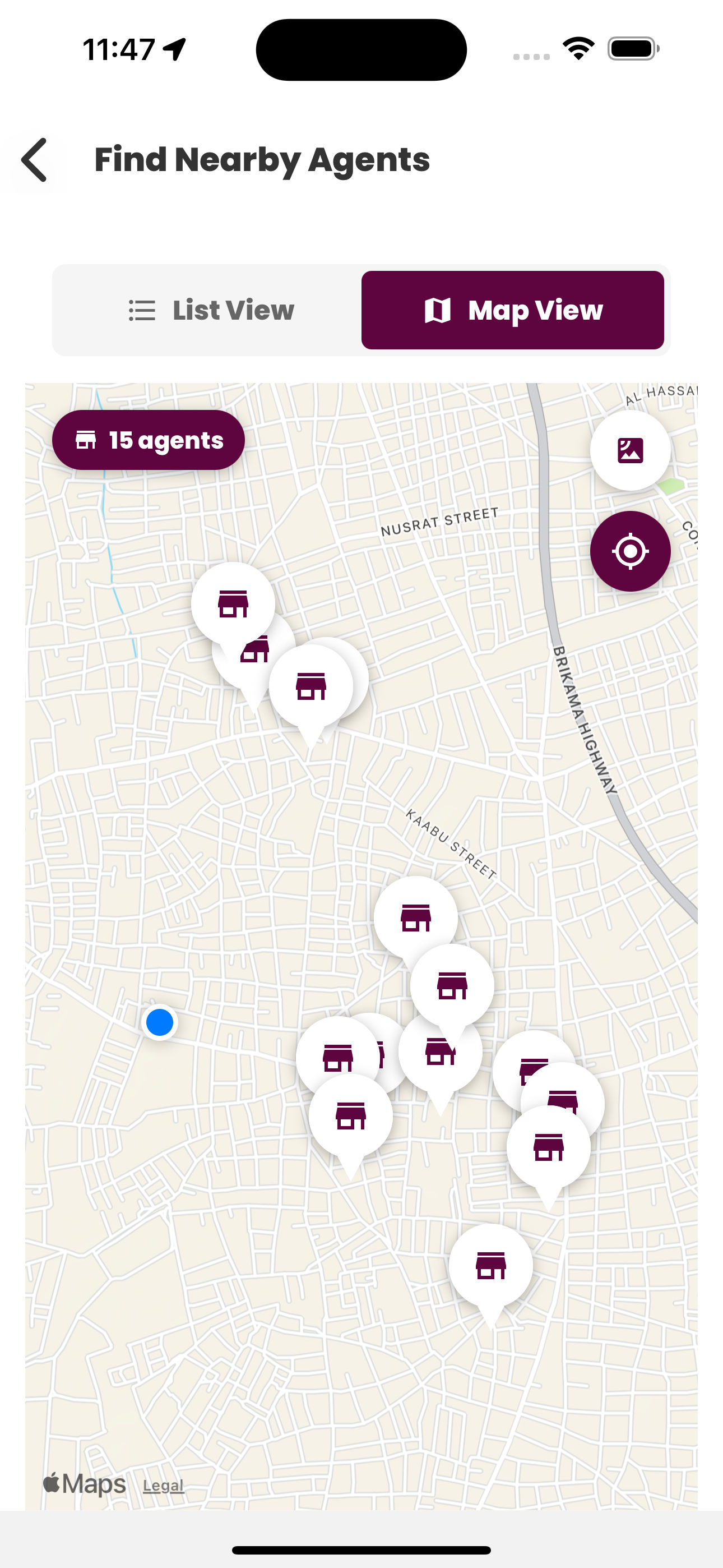
The Agent application acts as an important bridge between digital financial services and customers who may still require physical agent assistance.
This helps extend Zapp's services beyond purely digital transactions by creating an agent network that can support customers with deposits, withdrawals, and other supported operations.
Dedicated Agent Experience
The Agent App was built separately from the customer application so that agent-specific functionality does not complicate the experience of normal Zapp customers.
This provides agents with an interface focused specifically on the transactions and responsibilities associated with their role.
Zapp Merchant App
The Zapp Merchant App is the business-facing application within the ecosystem.
It gives merchants and businesses tools for accepting payments and managing their operations through Zapp.
Merchant Payments
Businesses can use the Merchant App to receive supported customer payments within the Zapp ecosystem.
This creates a direct connection between customers using the Super App and businesses using the Merchant App.
Business Management
The application includes functionality for merchants to manage business-related activities from their Zapp account.
Rather than serving only as a payment application, Zapp Merchant provides businesses with additional operational tools.
Store Management
Merchants can manage stores and store-related functionality through the application.
This supports the commerce side of the ecosystem and allows businesses to make their products and services available to Zapp customers.
Event Management
The Merchant App supports event-related functionality, enabling businesses or organizers to manage activities connected to events available through the Zapp platform.
These events can then form part of the services customers discover through the Super App.
Inventory Management
Businesses can manage inventory and products through the Merchant platform, supporting merchants that sell goods through the Zapp ecosystem.
Bill Payments
The Merchant App also provides access to supported bill payment services, extending financial functionality to business users.
Customer Engagement
The Merchant platform includes functionality designed to help businesses engage with customers within the Zapp ecosystem.
This creates a more complete platform where businesses can manage their presence while customers discover and interact with their services through the Super App.
How the Zapp Ecosystem Works
One of the most important aspects of the project is that these applications are not isolated products.
They represent different sides of the same platform.
Customers
Customers use the Zapp Super App to:
- Manage their wallet.
- Transfer money.
- Pay bills.
- Shop.
- Order food.
- Access deliveries.
- Book events.
- Book apartments.
- Interact with businesses and services.
Agents
Agents use the Zapp Agent App to provide supported financial services to customers, including deposits and withdrawals.
Merchants
Businesses use the Zapp Merchant App to participate in the Zapp ecosystem by accepting payments and managing their products, stores, events, inventory, and other supported business operations.
Together, the three applications create an ecosystem in which customers can transact with businesses and access financial services through agents without requiring every user type to share the same application.
Technical Implementation
Mobile Development
The applications were developed using React Native, providing a cross-platform approach for delivering the Zapp experience across mobile devices.
- Framework: React Native
- Development Platform: Expo
- Build & Distribution: EAS Build
- Platforms: Android and iOS
- Integration: REST APIs and external service integrations
Using a shared cross-platform technology stack made it possible to maintain consistent development practices across the different Zapp applications while still tailoring each application to its specific users.
Multi-App Architecture
One of the major architectural considerations was separating the platform according to user roles.
Customers, agents, and merchants have fundamentally different requirements.
Instead of putting every feature into one application, dedicated applications were created for each major user group.
This approach provides:
- A simpler experience for customers.
- Specialized transaction workflows for agents.
- Dedicated business functionality for merchants.
- Clear separation between consumer, agent, and merchant operations.
- A common ecosystem connecting all three user groups.
API and Service Integration
The applications depend on multiple services to provide financial transactions, commerce, utility payments, bookings, and other functionality.
The mobile applications communicate with backend services through APIs while presenting users with a consistent interface regardless of the underlying service involved.
This was particularly important for the Super App because different modules such as payments, shopping, utilities, bookings, and deliveries have very different workflows.
My Role
I worked on the development of the mobile applications across the Zapp ecosystem, including:
- Zapp Super App
- Zapp Agent
- Zapp Merchant
My work involved developing mobile interfaces, integrating APIs, implementing transaction and service workflows, handling application state and user interactions, testing functionality, and working with Android and iOS builds.
Working across all three applications also required understanding how the different parts of the platform interact.
A transaction or activity may involve a customer on the Super App, an agent using the Agent App, or a business operating through the Merchant App.
This made the project much more than developing three independent mobile applications. It involved building different interfaces into a shared digital ecosystem.
Development Challenges
Managing a Large Super App
The customer application includes financial services, utility payments, commerce, food, delivery, bookings, and other services.
The challenge was to bring these different modules together while maintaining a consistent and understandable experience for the customer.
Supporting Different User Groups
Customers, agents, and merchants have completely different workflows.
Trying to combine all of those requirements into one application would have created unnecessary complexity.
Building dedicated applications made it possible to optimize each experience around the responsibilities of that particular user group.
Financial Transaction Workflows
Financial transactions require clear application states and predictable user flows.
Transfers, deposits, withdrawals, wallet operations, and payments can each involve different processing requirements.
The applications therefore needed to correctly communicate transaction progress and results to users.
Connecting Commerce and Payments
Zapp combines financial services with commerce.
Customers can access businesses and services through the Super App, while merchants manage their business activities through the Merchant App.
Connecting these experiences required the applications to work as components of the same ecosystem rather than standalone products.
Cross-Platform Development
The applications needed to operate reliably across Android and iOS.
React Native and Expo provided a shared development foundation while EAS Build supported the mobile build and distribution workflow.
Results
The Zapp project resulted in an interconnected digital platform serving three major groups:
- Customers receive a Super App for financial and everyday digital services.
- Agents receive dedicated tools for providing supported financial services to customers.
- Merchants receive a business application for payments and operational management.
The ecosystem demonstrates how separate mobile applications can work together to support different participants within a larger digital platform.
For me, the project provided extensive practical experience in:
- Building large React Native applications.
- Developing multiple applications within the same product ecosystem.
- Implementing financial transaction workflows.
- Integrating APIs and third-party services.
- Building customer, agent, and merchant experiences.
- Working with wallet and payment functionality.
- Developing commerce and service-based mobile features.
- Supporting Android and iOS applications.
- Managing increasingly complex mobile application architecture.
Key Technologies
- React Native
- Expo
- EAS Build
- REST APIs
- Third-Party Service Integrations
- Android
- iOS