APS International – Money Transfer App
APS International – Money Transfer App
Project Overview
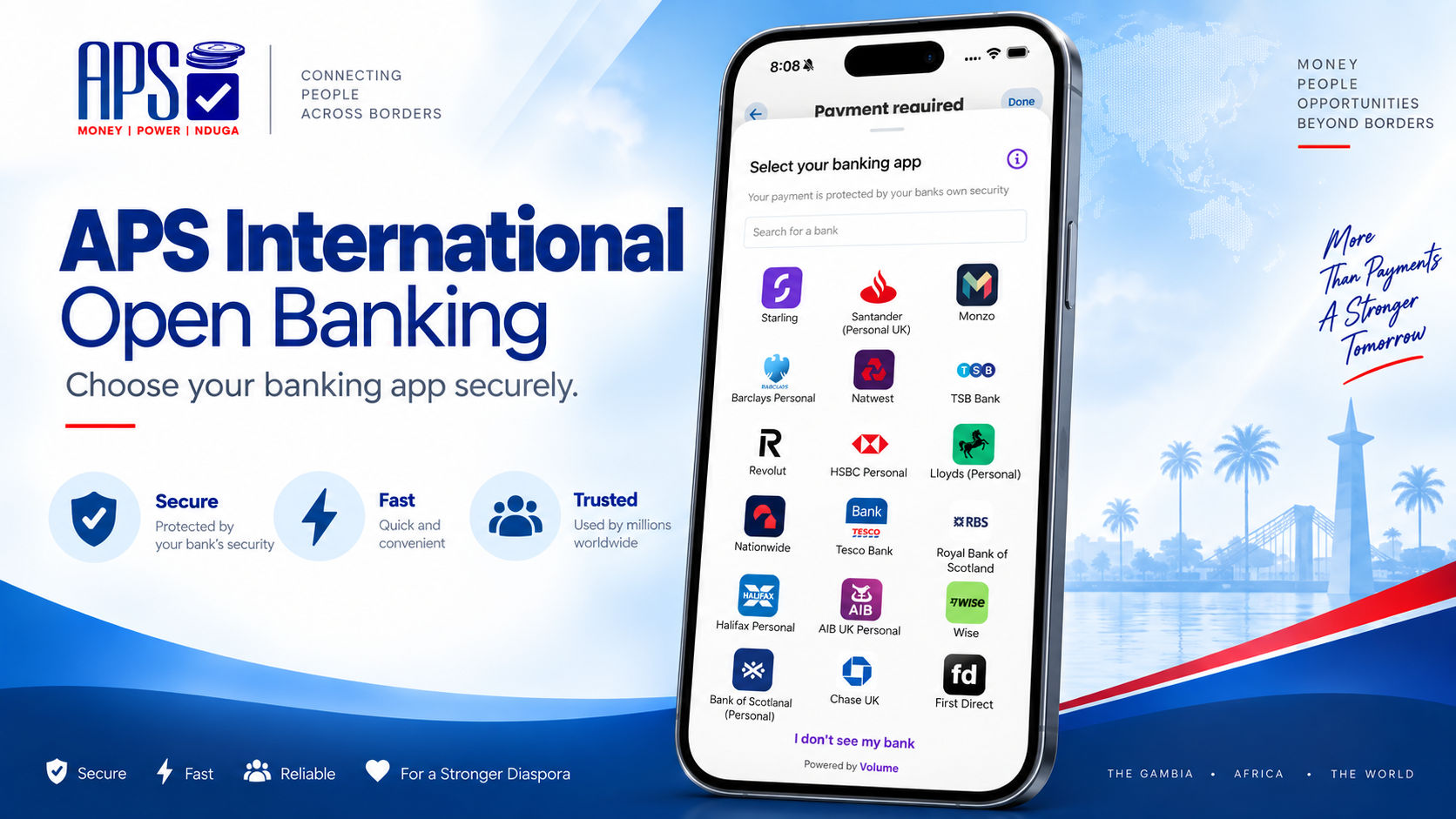
APS International is a cross-border remittance and digital services platform that enables customers living abroad, particularly in Europe, to send money and other forms of financial support to beneficiaries in The Gambia and other African countries.
I work on the APS International mobile application, where my primary responsibility has been rebuilding, developing, maintaining, and improving the customer-facing mobile experience.
One of the major parts of my work on APS was rebuilding the existing mobile application from its previous Vue.js and Capacitor implementation into a modern React Native and Expo application.
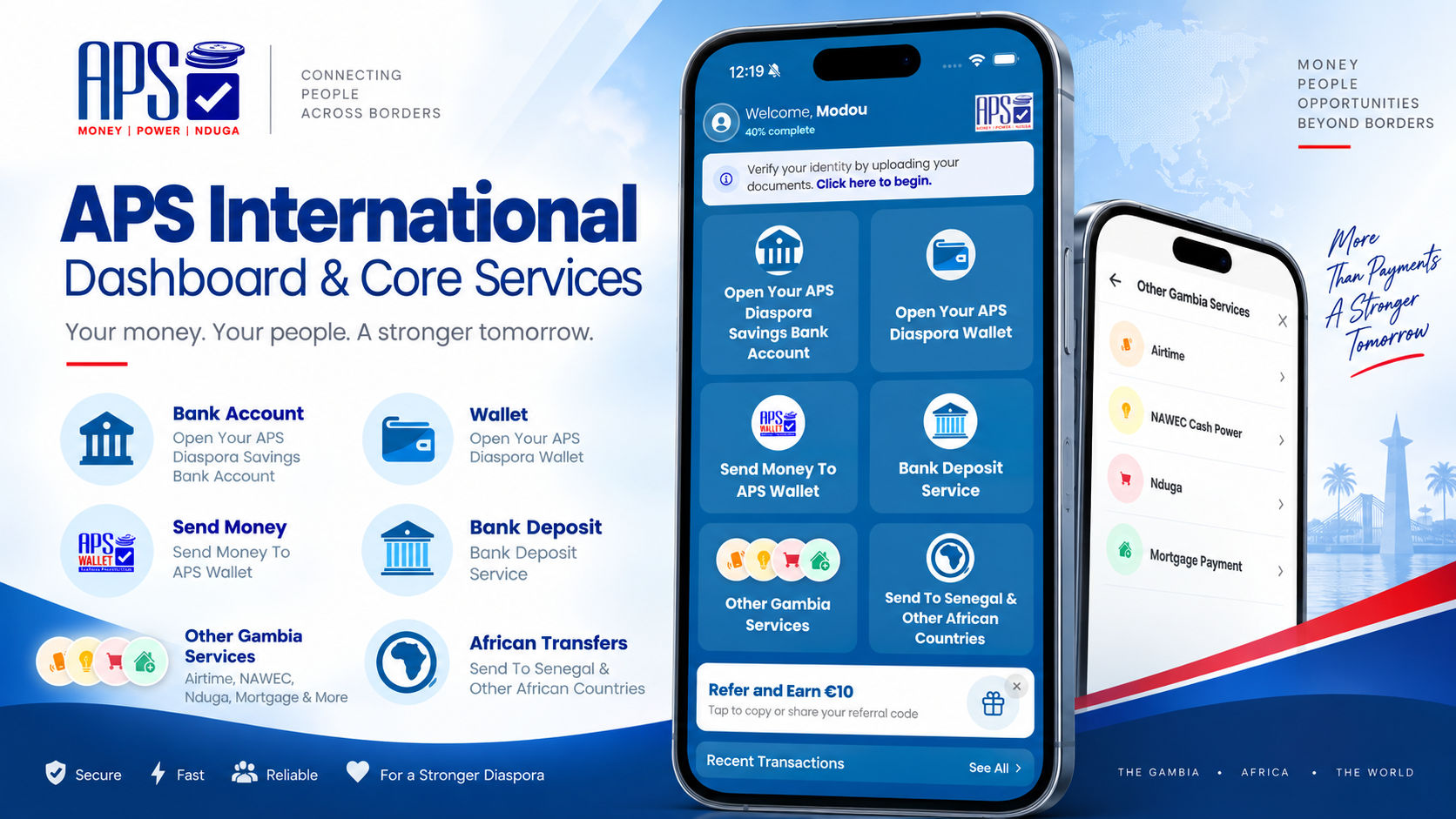
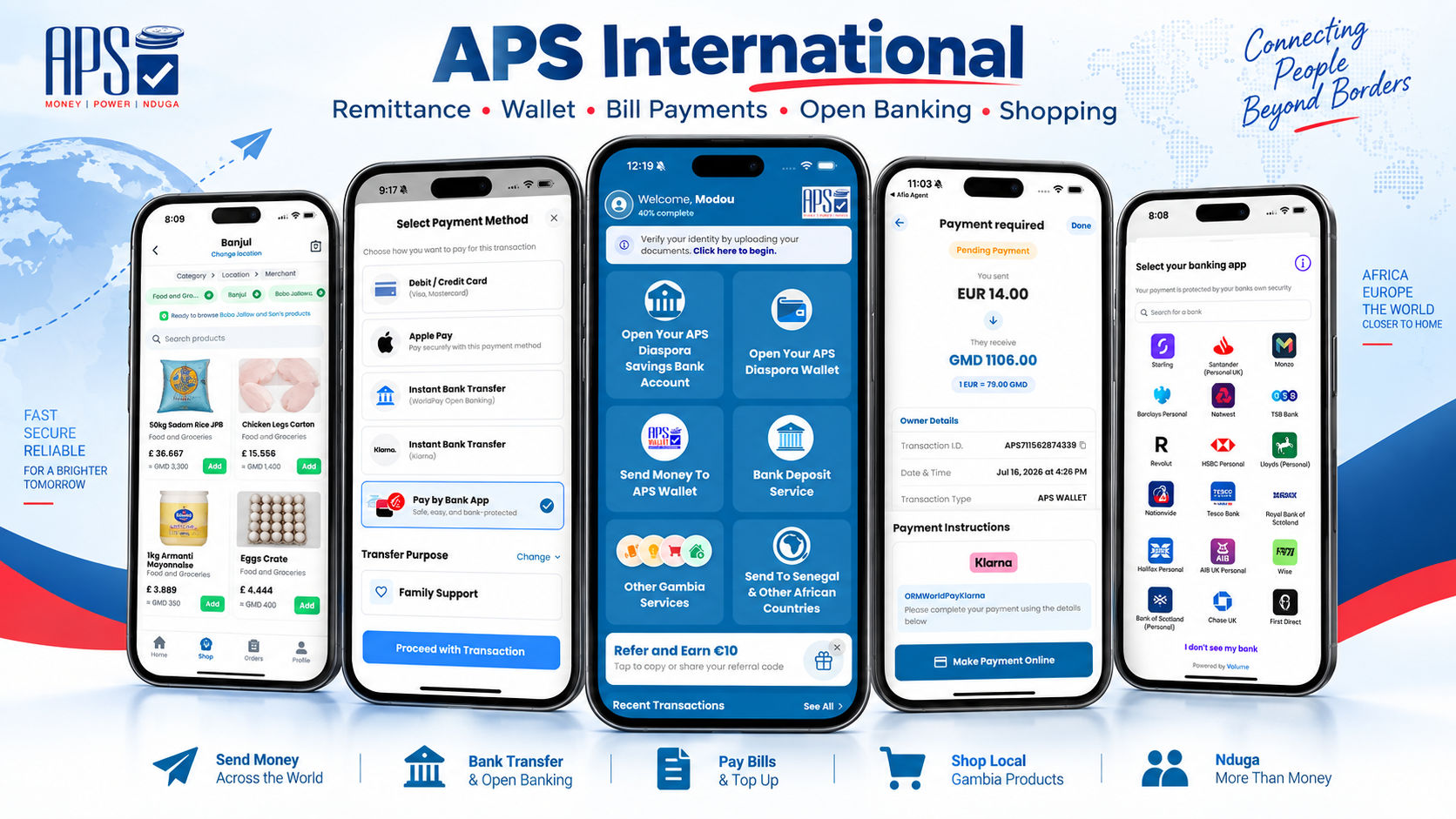
The new application provides customers with access to international money transfers, mobile wallet transfers, bank transfers, utility payments, airtime purchases, e-commerce services, KYC onboarding, and other remittance-related functionality from a single mobile application.
Core Services
International Money Transfers
International remittance is at the center of the APS platform.
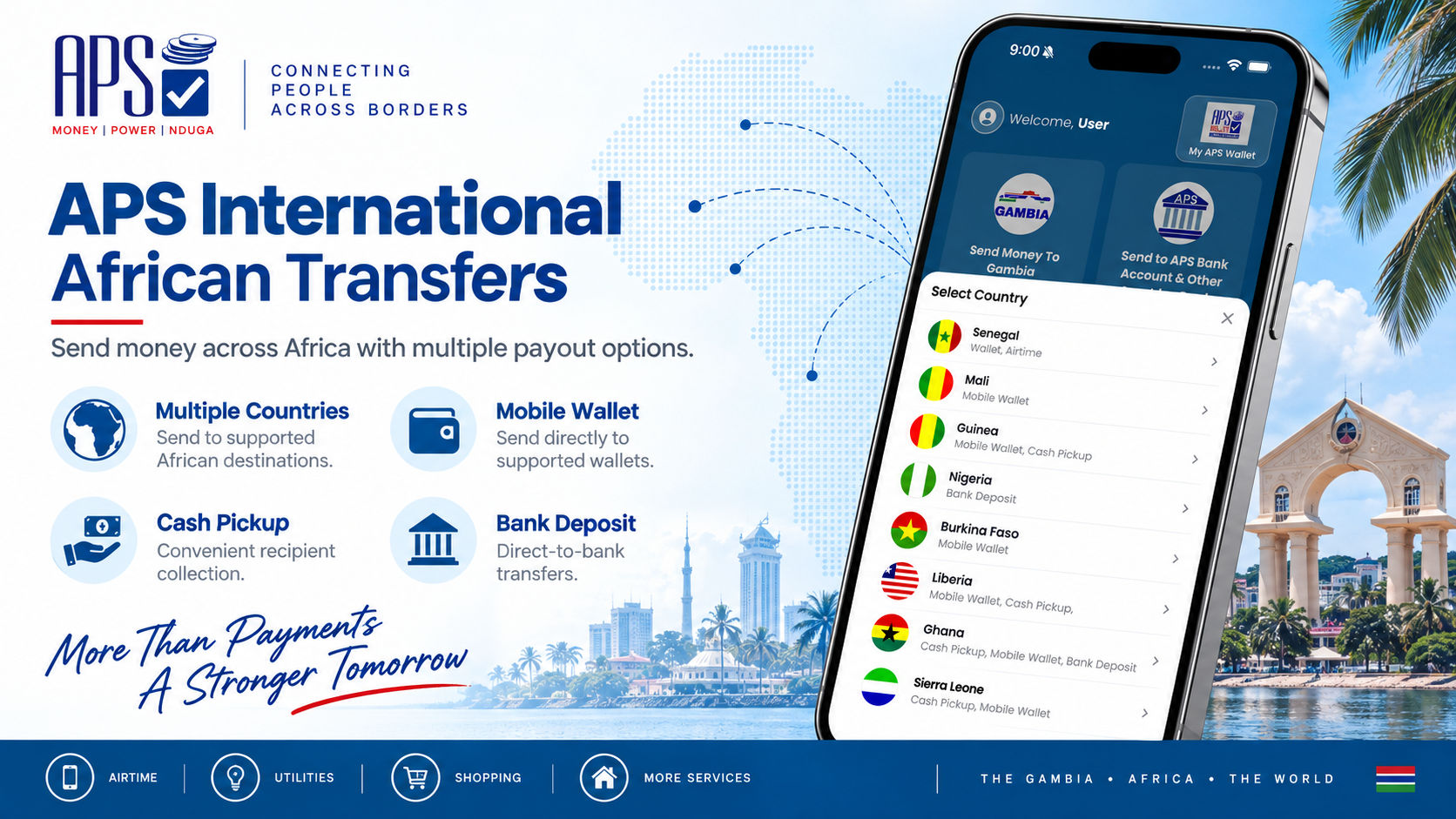
Customers can initiate transfers from abroad and choose supported delivery methods for beneficiaries in Africa.
Supported remittance workflows include:
- Cash pickup.
- Bank account deposits.
- Mobile wallet transfers.
- Other supported payout services.
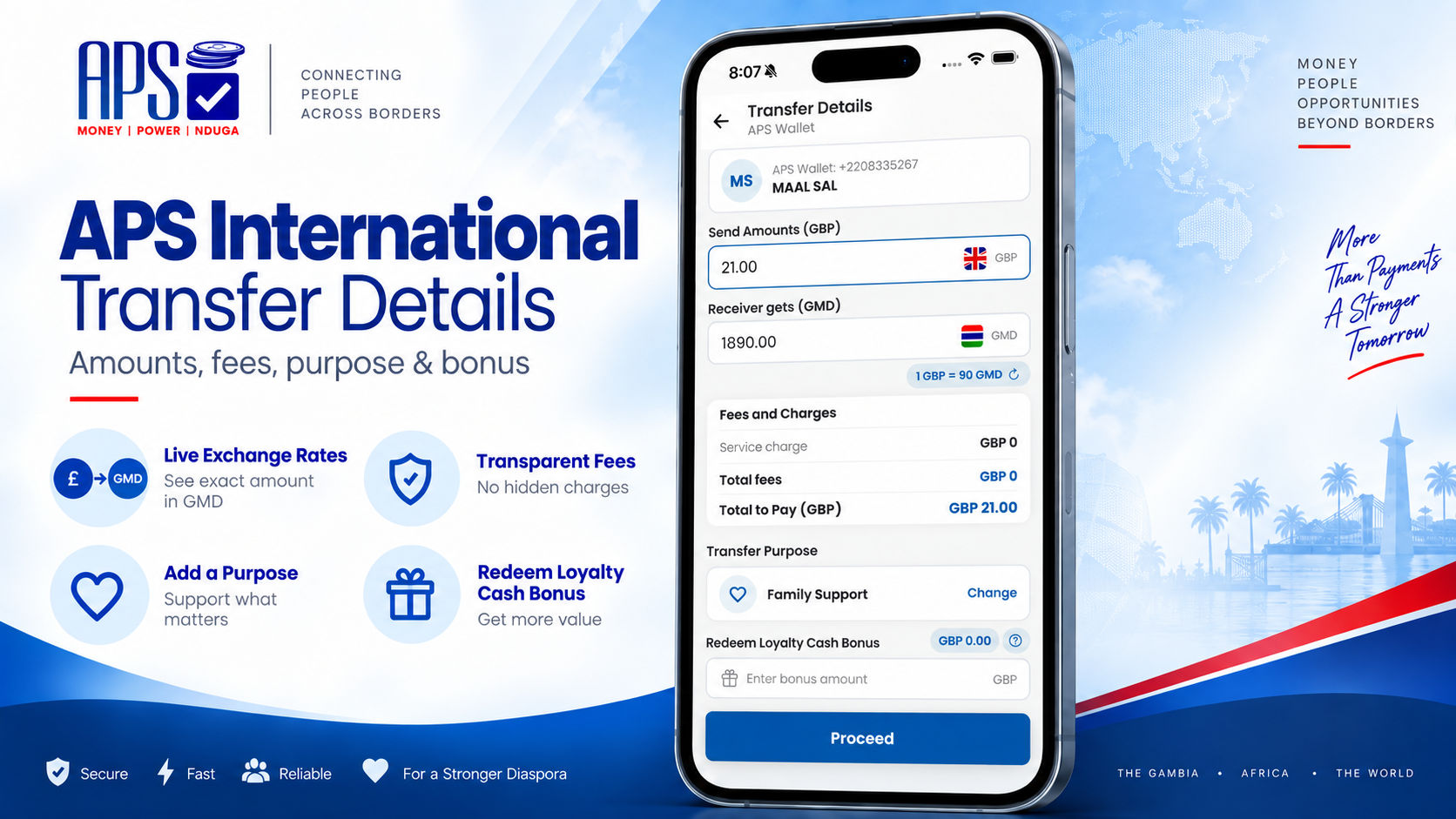
The application guides customers through selecting a beneficiary, entering transfer details, reviewing the transaction, and completing payment.
Beneficiary Management
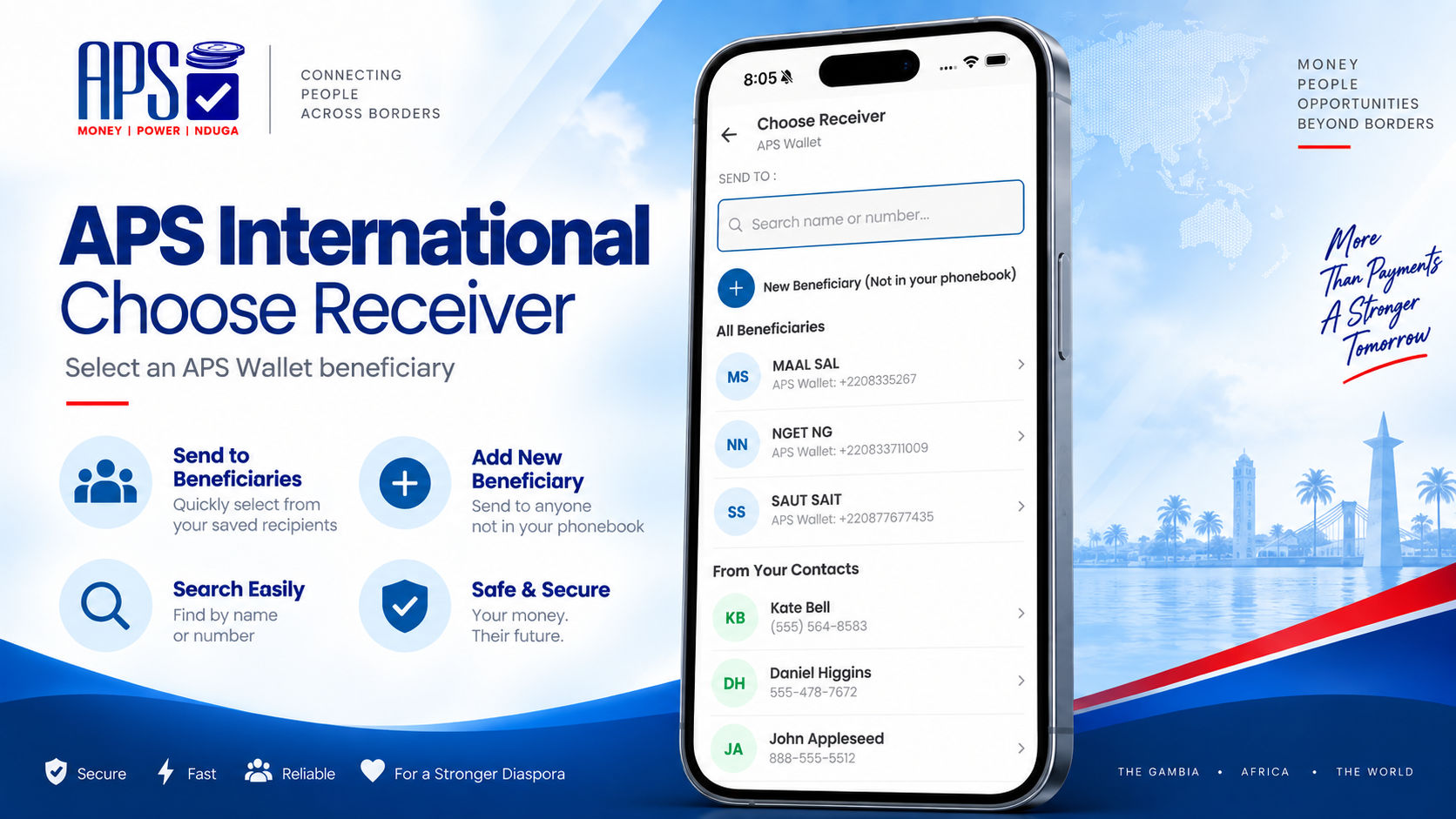
Customers can manage the people they regularly send money to.
Beneficiary information is integrated into the transfer process so customers can select existing recipients or provide the details required for a new recipient when making a transaction.
Bank Transfers
APS supports transactions where funds are delivered directly to supported beneficiary bank accounts.
The mobile application collects and validates the information required for the selected bank transfer workflow and communicates with the relevant backend services to process the transaction.
Mobile Wallet Transfers
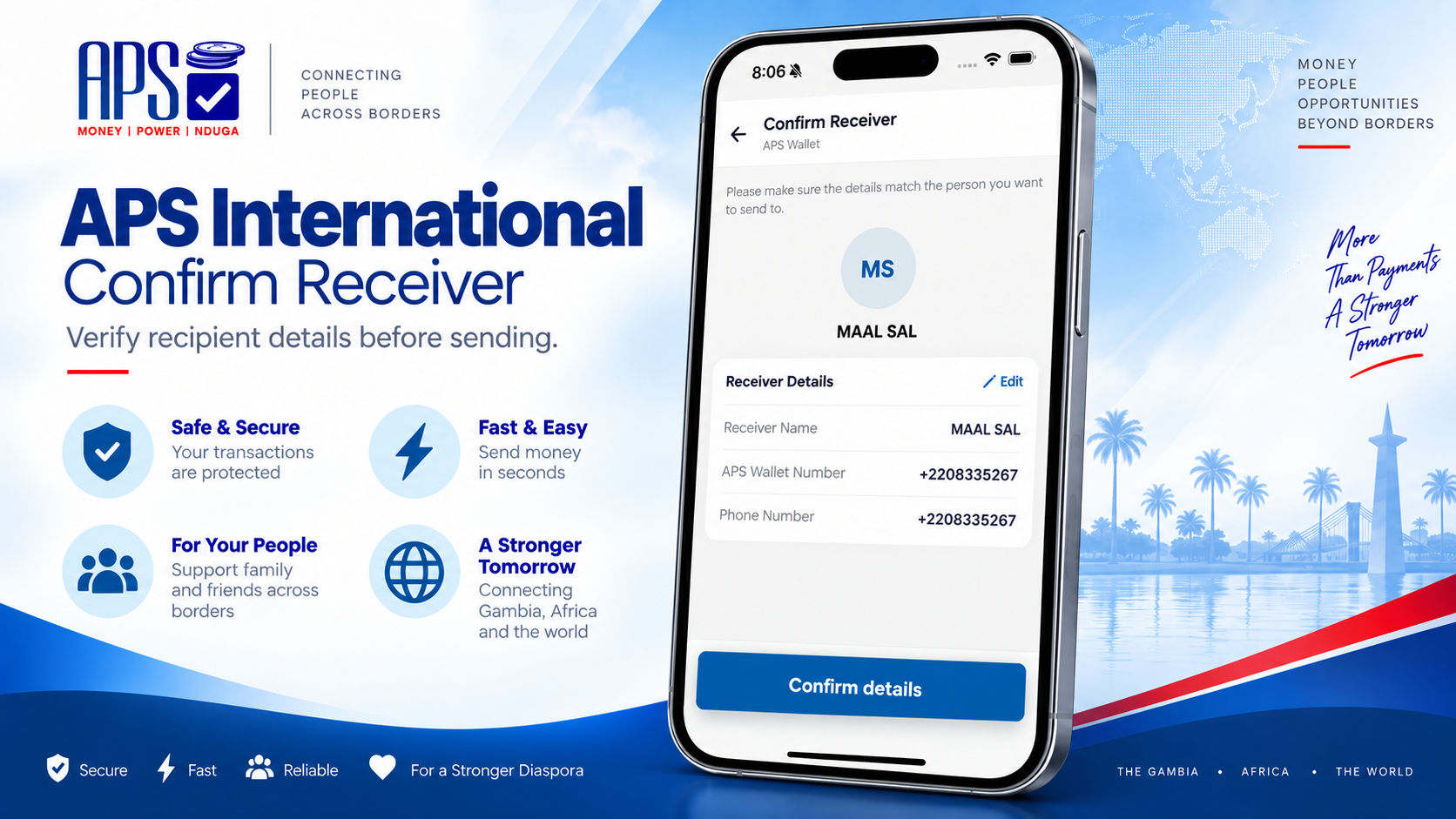
Customers can send money directly to supported mobile wallets.
This provides beneficiaries with another way of receiving funds without requiring a traditional bank account or physical cash pickup.
Cash Pickup
Customers can send money for collection through APS-supported payout locations and agents.
This is particularly useful for beneficiaries who prefer receiving their remittance in cash.
Utility and Digital Services
APS extends beyond traditional money transfer functionality.
Electricity Payments
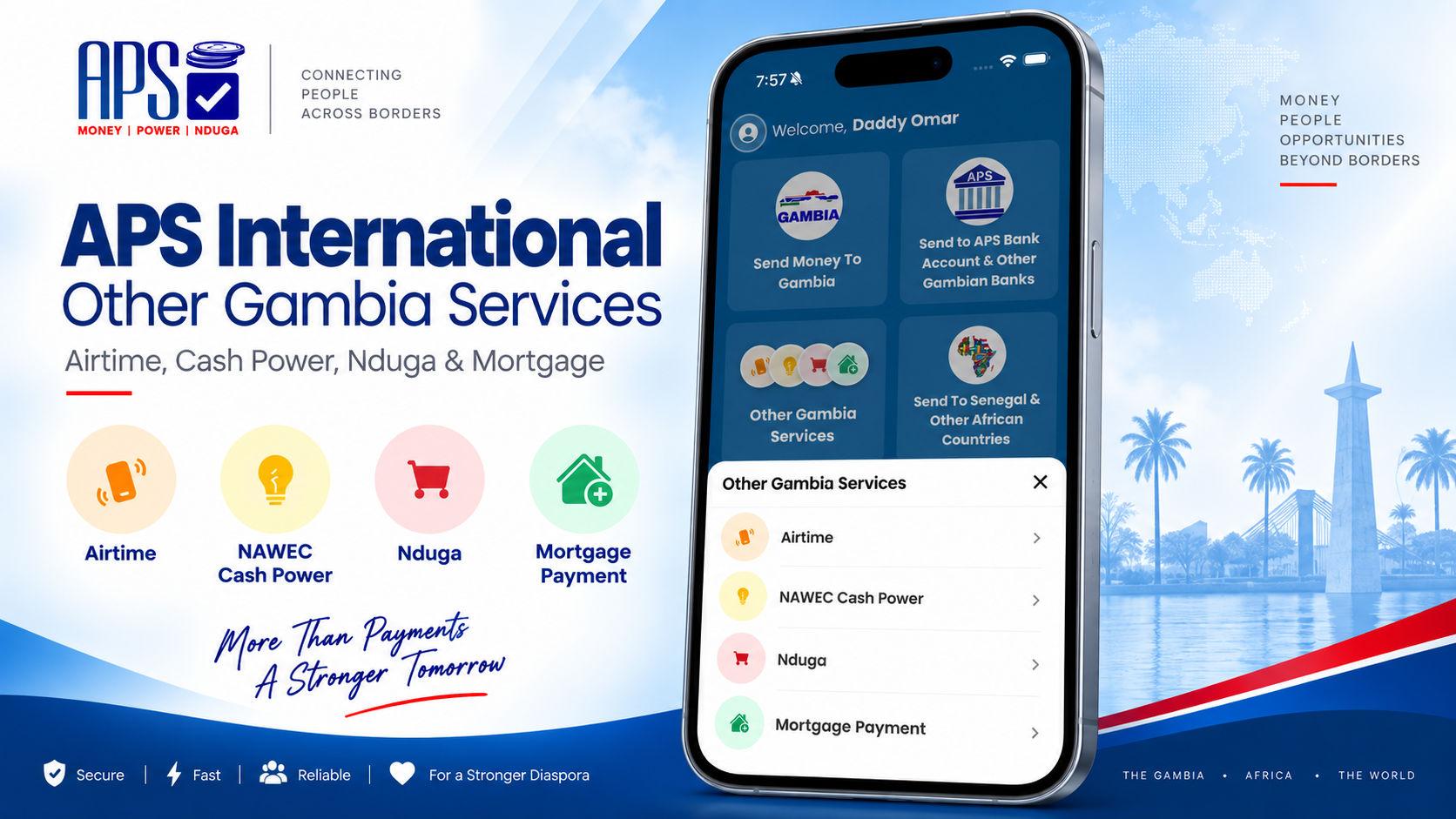
Customers abroad can purchase electricity for beneficiaries back home directly through the mobile application.
The app handles the customer-facing flow for providing the required account or meter information, entering the payment amount, confirming the transaction, and receiving the transaction result.
Water Payments
Supported water utility payments can also be initiated through the APS application.
This allows customers abroad to directly support household expenses for their families rather than only sending cash.
Airtime Top-Up
Customers can purchase mobile airtime for supported beneficiaries directly from the application.
This provides a quick way to send mobile credit without requiring the recipient to purchase it themselves.
Family Shopping and E-Commerce
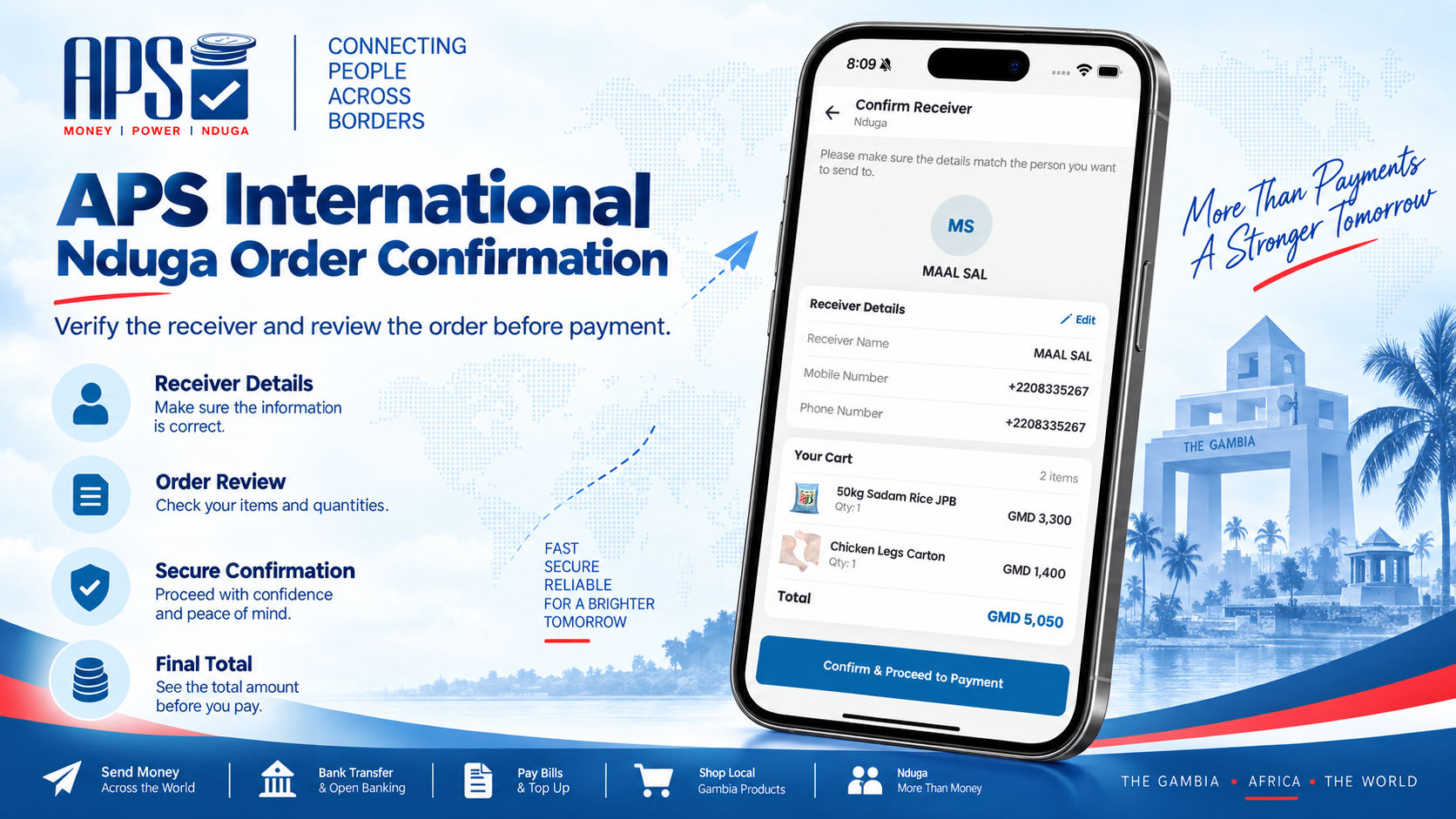
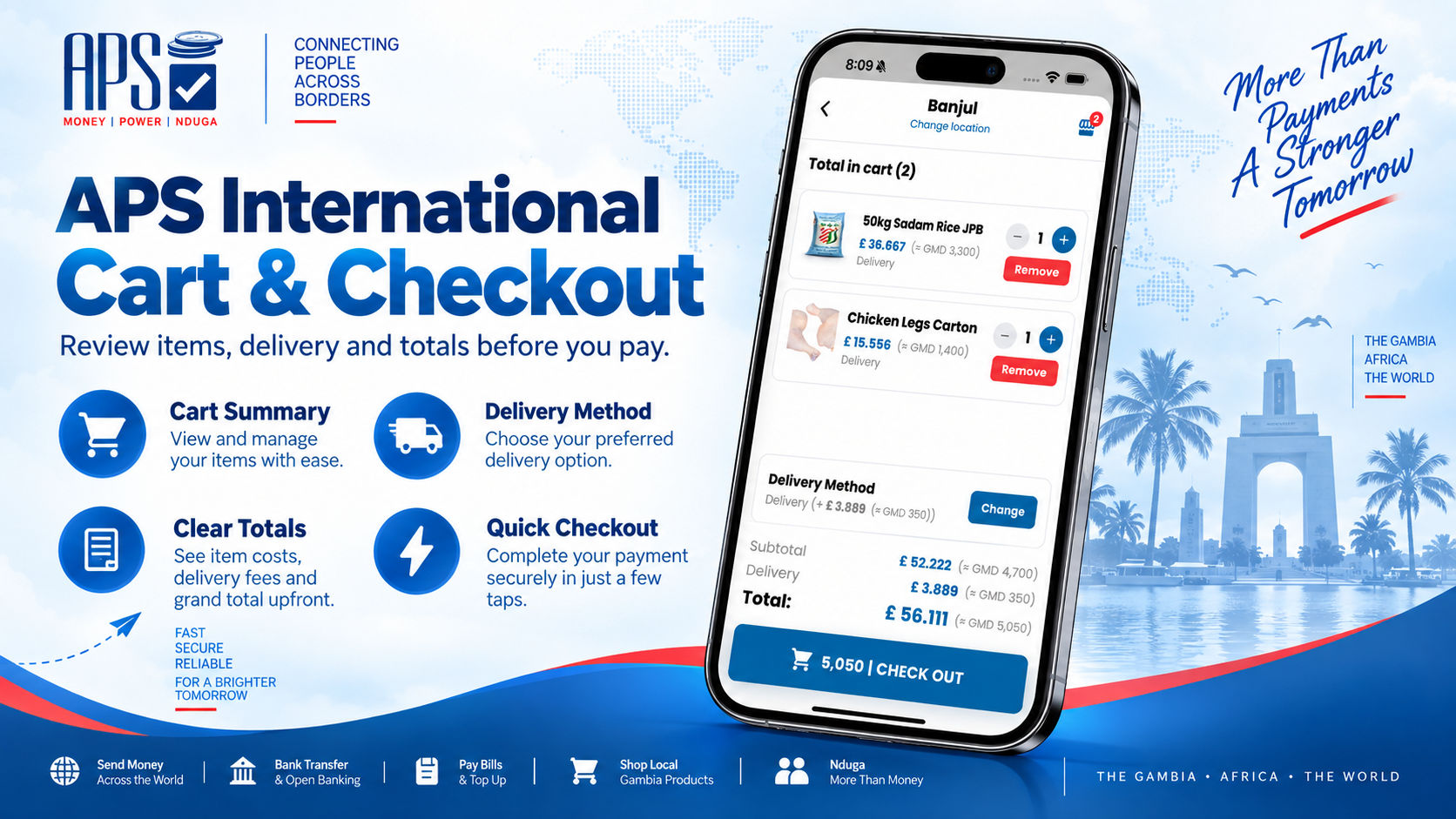
One of the capabilities that makes APS different from a conventional remittance application is the ability for customers abroad to purchase goods for family members back home.
Instead of only transferring money, customers can use supported commerce services to purchase products that can then be delivered locally to the intended recipient.
This extends the platform from pure financial remittance into a broader family-support ecosystem.
Customer Onboarding and KYC
Because APS operates within the financial services sector, customer onboarding involves identity verification and KYC processes.
I worked on mobile workflows supporting onboarding requirements such as:
- Customer registration.
- Mobile and email verification.
- OTP verification.
- Identity document capture and upload.
- Selfie and identity verification flows.
- KYC status handling.
- Resumable onboarding.
- Manual review states where required.
The application integrates with external verification services while ensuring customers can move between the mobile application and verification flows without losing their onboarding progress.
Identity Verification Integration
Some KYC processes require customers to complete verification through an external web-based workflow.
The application handles this using Expo's browser and deep-linking capabilities.
After verification is completed, the external service redirects the customer back into the APS mobile application, where the app processes the verification result and continues the onboarding flow.
This required handling communication between:
- The React Native application.
- The external verification service.
- The web callback.
- The application's custom deep link.
Biometric Authentication
Returning customers can sign in using the biometric authentication available on their device, such as Face ID and Touch ID on iOS or fingerprint authentication on Android.
Biometric sign-in is optional and is enabled by the customer after they have already authenticated with their normal credentials.
The implementation covers the cases a financial application has to handle:
- Devices that do not support biometric hardware.
- Devices where the customer has not enrolled biometrics.
- Customers who decline the biometric permission.
- Failed or cancelled biometric attempts.
- Falling back to the standard login flow when biometric authentication is unavailable.
Session information required for biometric sign-in is held in secure device storage rather than ordinary application storage, which matters in an application that handles financial transactions.
Biometric sign-in reduces the friction of returning to the application without weakening the authentication requirements of the platform.
Card Payments and Checkout
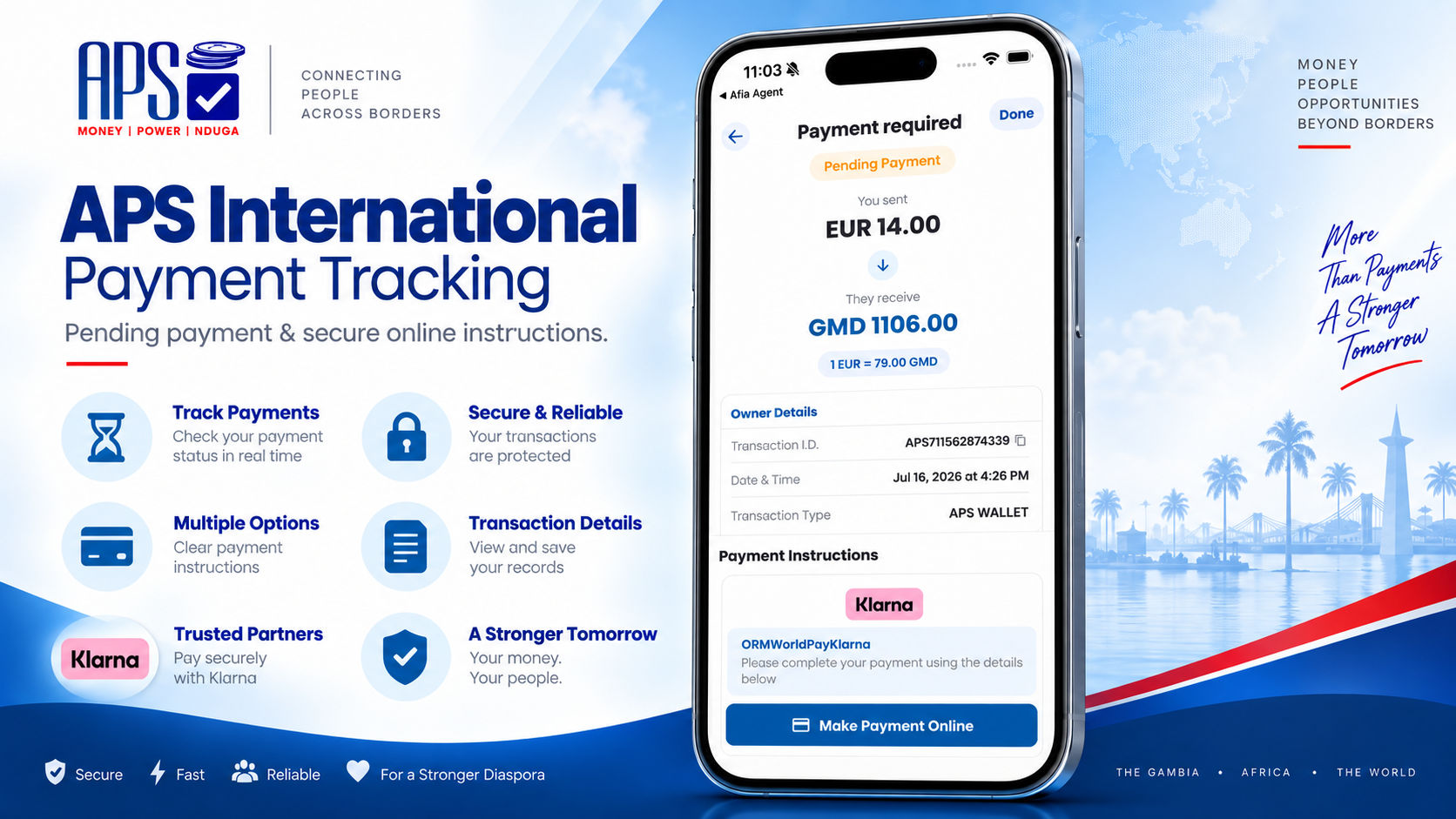
The application integrates payment functionality for customers completing remittance transactions.
The checkout experience handles multiple payment outcomes and scenarios, including:
- Card validation.
- CVV-related responses.
- Bank declines.
- Soft declines.
- Unsupported cards.
- Transaction timeouts.
- Payment confirmation failures.
Providing clear handling for these scenarios is important in a financial application because customers need to understand whether a transaction has succeeded, failed, or requires additional action.
The application manages the transition between the APS transaction workflow and the authentication process before returning the customer to the appropriate transaction state.
This was an important part of integrating modern card-payment requirements into the React Native application.
Apple Pay and Google Pay
Alongside manual card entry, customers can complete payments using the wallet available on their platform: Apple Pay on iOS and Google Pay on Android.
Paying through a device wallet means the customer confirms the transaction from the native payment sheet instead of typing card details into the application, with the card credentials held by the wallet rather than entered each time.
Supporting these options in a remittance application involves:
- Detecting whether the wallet is available and configured on the device.
- Presenting the wallet option only when it can actually be used.
- Falling back to manual card entry when it cannot.
- Handling a customer cancelling the native payment sheet.
- Mapping the wallet payment result back into the same transaction states as a card payment.
The outcomes described above still apply once the payment is submitted, so the wallet flows share the existing success, decline, and confirmation handling rather than running as a separate path.
Transaction History and Receipts
Customers can access information relating to their transactions from within the application.
The app also supports transaction receipts and related document functionality, allowing customers to retain records of completed transfers and payments.
Push Notifications
The mobile application integrates notification functionality to support customer communication and transaction-related updates.
Firebase messaging is part of the mobile application's notification infrastructure.
Referral and Deep Linking
The application integrates AppsFlyer for attribution and deep-linking functionality.
This allows referral links and supported campaign links to direct users into the application and enables referral information to be retained through the onboarding and registration process.
Deep linking is especially important for a mobile financial product where customers may enter the application through marketing, referral, verification, or transaction-related links.
Technical Implementation
Mobile Application
The APS mobile app was rebuilt using a modern React Native stack.
- Framework: React Native
- Language: TypeScript
- Development Platform: Expo
- Navigation: Expo Router
- Server State: React Query
- Application State: Zustand
- HTTP Client: Axios
- Push Notifications: Firebase Messaging
- Deep Linking & Attribution: AppsFlyer
- Build & Distribution: EAS Build
- Platforms: Android and iOS
The application uses a cross-platform architecture that allows the majority of the codebase to be shared between Android and iOS while still supporting platform-specific functionality when required.
Rebuilding the Existing Application
One of the most significant aspects of the project was migrating APS from its previous Vue.js and Capacitor implementation to React Native and Expo.
Because APS was already a production application with existing users, this was different from building a new product from scratch.
The rebuild needed to maintain compatibility with the existing production application while introducing a new mobile architecture.
This included maintaining the existing application identities on the respective stores so the React Native application could be released as an update rather than creating an entirely separate product.
API Integration
The APS application communicates with several backend and third-party services.
My work on the mobile application involved integrating these APIs into customer-facing workflows for:
- Authentication.
- Customer registration.
- KYC.
- Beneficiary management.
- Money transfers.
- Utility payments.
- Airtime.
- Wallet services.
- Bank transfers.
- Card payments.
- E-commerce services.
This required handling different API response formats, validation requirements, transaction states, error conditions, and asynchronous operations while presenting customers with a consistent mobile experience.
My Role
I work as a Mobile Application Engineer on the APS International application.
My responsibilities include developing and maintaining the React Native mobile application and implementing the customer-facing functionality required by the APS platform.
My work has included:
- Rebuilding the legacy mobile application using React Native and Expo.
- Developing new mobile features.
- Integrating backend and third-party APIs.
- Implementing remittance workflows.
- Implementing utility and airtime payment flows.
- Building KYC and onboarding functionality.
- Integrating identity verification workflows.
- Implementing card-payment.
- Implementing biometric authentication.
- Implementing Apple Pay and Google Pay checkout options.
- Integrating push notifications.
- Implementing deep links and referral functionality.
- Debugging production and integration issues.
- Testing functionality across Android and iOS.
- Managing application builds and store releases.
The project requires close coordination with backend services because most customer actions involve financial, identity, or transaction APIs outside the mobile application itself.
Development Challenges
Migrating a Production Application
Rebuilding an existing production application introduced different challenges from starting a completely new project.
Existing users needed to continue receiving updates through the same application while the underlying mobile technology changed significantly.
The migration therefore required careful management of application identifiers, builds, native configuration, APIs, and release processes.
Complex Financial Workflows
A remittance application contains considerably more transaction states than a typical consumer mobile application.
A payment can succeed, fail, require authentication, remain pending, be rejected by a bank, fail verification, or require additional customer information.
The mobile application needed to correctly interpret these responses and present the appropriate next step to the customer.
KYC and External Verification
Identity verification involves moving between the mobile application and external verification systems.
Maintaining the correct application state and returning customers to the appropriate onboarding step required careful handling of browser sessions, callback URLs, deep links, and verification responses.
Third-Party Integrations
APS relies on several external systems for services such as payments, identity verification, notifications, and attribution.
Each integration has its own SDKs, APIs, error responses, and platform-specific requirements.
Managing these integrations across Android and iOS has been an important part of the development process.
Cross-Platform Mobile Development
The application must provide a reliable experience across Android and iOS.
React Native and Expo allow much of the application's functionality to be shared, while certain integrations still require native configuration and platform-specific troubleshooting.
Results
The rebuilt APS application provides a modern mobile foundation for the company's international remittance and digital services.
Customers can access money transfers and other services from the same application, including cash pickup, bank deposits, mobile-wallet transfers, electricity purchases, airtime, and additional remittance services.
The project has given me extensive practical experience in developing a production fintech application involving:
- Cross-border remittance.
- Financial API integrations.
- KYC and identity verification.
- Card payment processing.
- Deep linking.
- Push notifications.
- Mobile application migration.
- Production Android and iOS releases.
- Complex transaction and error-handling workflows.
App Links
iOS
APS: Money Transfer on the App Store
Android